
Two masons climb the same ladder in Maywood, look at the same cracked stack and hand you two figures that are far apart. Neither figure means much by itself. What means something is the paper behind it: what each estimate says will be done, to which part of the chimney, with what material, and what happens if the work uncovers more than anyone expected. Hemlock Chimney Company writes its estimates so they can be laid flat next to somebody else's, and this post is about making that comparison yourself before you sign either one.
Read the scope lines before the total
The total sits at the bottom of a bid and tells you the least. Read the scope lines first and put them side by side on the kitchen table. A useful estimate names the part (crown, mortar joints above the roofline, flue tile, smoke chamber, firebox), the work (seal, recast, repoint, replace, reline) and the extent (how many courses of brick, which faces of the stack, which flue). If one bid says "repair chimney" and the other lists six separate items, you are not holding two prices for one job. One of them has not told you what the job is.
Things that often hide in the gap between two bids:
- Whether the old crown comes off or a coating simply goes over it
- Whether failed joints are cut out to a set depth or only smeared over
- Whether anyone ran a camera through the flue before pricing it
- Whether hauling the debris away and protecting the roof are in the price
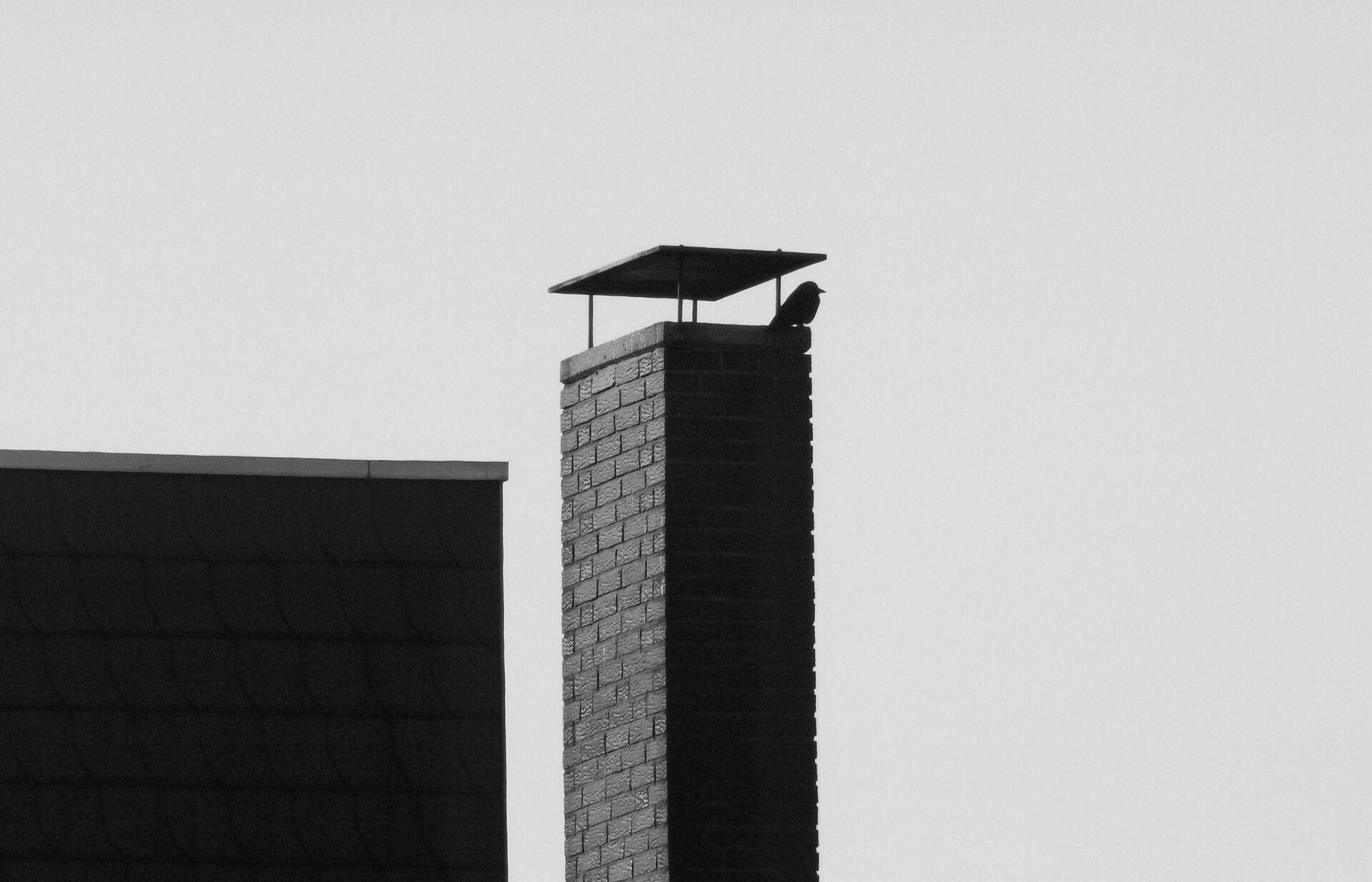
- Whether a cap goes back on afterward, and who supplies it
When one bid carries a line the other leaves out, ask the second contractor about it by name. Sometimes they include it and never wrote it down. Sometimes they do not do it at all, and the low figure is low for that reason.
Options at more than one level
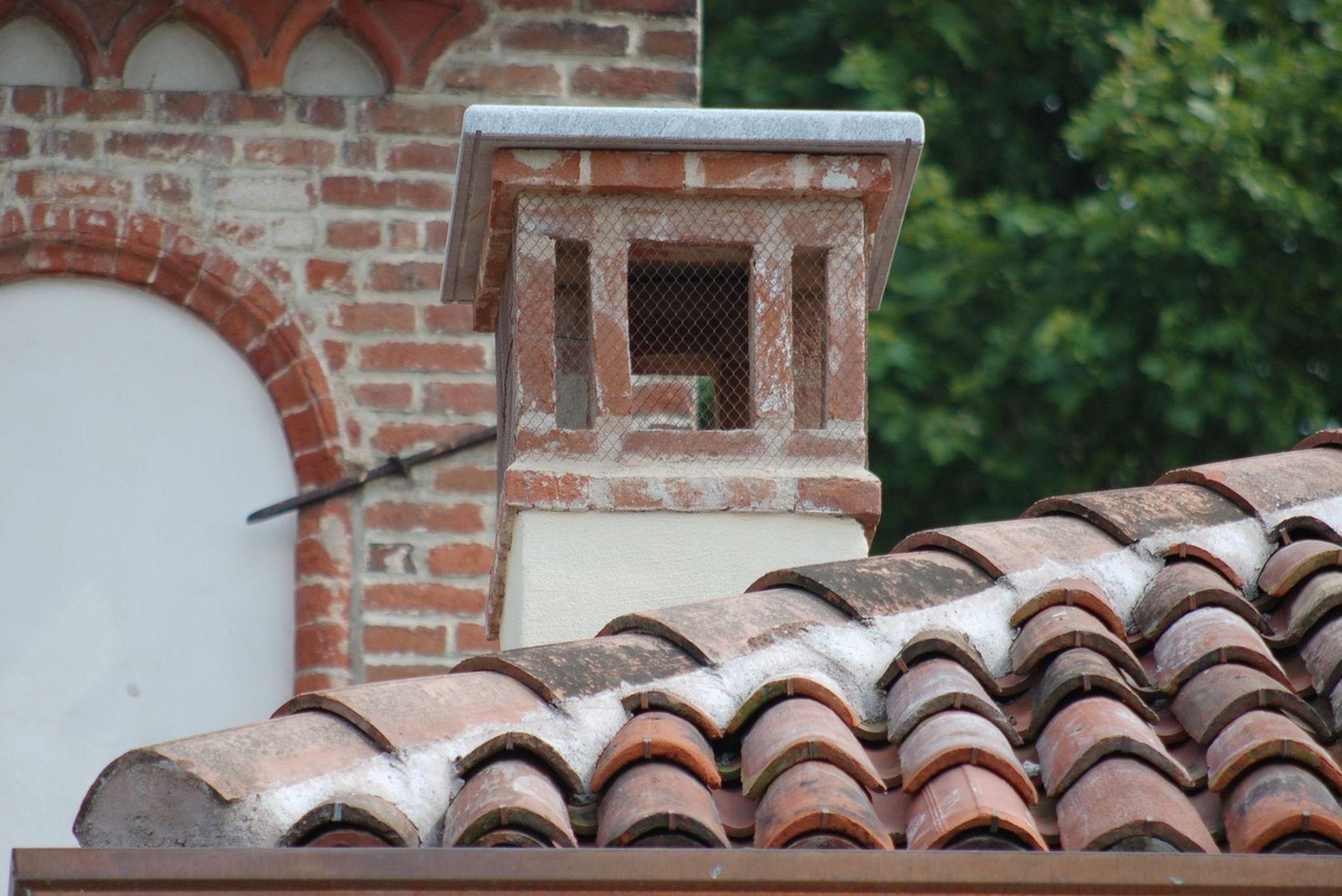
Most chimneys in Maywood, South Gate and the older blocks of Los Angeles are brick around clay tile, and most of them have more than one honest way forward. A cracked crown can be sealed, or it can be broken off and poured again. Tired joints can be repointed on the two faces that take the weather, or on all four. A stack that leans can be braced, or taken down to the roofline and relaid. Our estimates lay these out as separate options, each with its own figure, so you can see what each step up buys.
When you compare, check whether the other contractor gave you choices or a single answer. A single answer is not wrong, but it means someone else already made the trade-off on your behalf. If that answer is the most expensive version, you may be paying now for work that could have sat a few seasons. If it is the cheapest, you may end up paying for the same chimney twice.
The items that are allowed to wait
This is the part of a bid most owners never see written down. Some chimney faults get worse quickly and some sit still for years. Water working into the masonry through an open crown belongs to the first group: each wet winter followed by a hot summer widens the opening, and the damage spreads into the brick underneath. A chipped face brick on the side that looks at the neighbor's driveway usually belongs to the second.
Every line on our estimates carries one of three tags: before the next fire, before the next rainy season, or watch and recheck. If another bid treats every line as urgent, ask why. If it treats nothing as urgent, ask the same thing. Our post on masonry repairs that can wait goes further into how we sort a long list.
What the number was built on
An estimate is only as good as the look that produced it. A bid written from the driveway prices what the contractor could see from the driveway, and nothing above the gutter or inside the flue. For any repair that touches the flue we want camera footage first. Our Level 2 chimney inspection is $375 and records the inside of the flue on video, which lets us price tile repair or a liner from evidence rather than a hunch. For a crown, outside joints or flashing, the visual chimney inspection at $52 is often enough to write the paperwork.
If one of your two bids came from someone who looked inside the flue and the other did not, the bids are measuring different chimneys. The cheaper one may have simply left out the part nobody saw.
Five lines worth checking on any bid
- Does the figure change if the work exposes loose brick below the roofline, and how is that extra written up and approved before it starts?
- Is the new mortar matched in hardness and color to what is already in the wall?
- Is a cap part of the price, and if so, which one?
- Who carries the debris off, and what goes over the roof while the work runs?
- Are permits or HOA approvals part of the job where they apply?
A contractor who answers these in writing is giving you something you can hold them to. One who answers only on the phone is giving you less.
A second estimate from us
If you already hold an estimate from another company and want a second one built so the two can be compared line for line, ask Hemlock Chimney Company for a written estimate. Tell us what the first bid covers and which part of the chimney worries you most. We come out, look, and write our version with the options priced separately and the items that can wait marked that way. You keep both papers and choose.
Holding two figures and no clear way to pick between them? Our contact page is where a third opinion on paper begins.
Ready for Numbers on Your Own House?
Hemlock Chimney Company looks at the chimney, then writes up each repair option with its price and a mark for urgent, soon or watch. Requests from Maywood, South Gate, Monterey Park and the rest of the route start on the contact page.