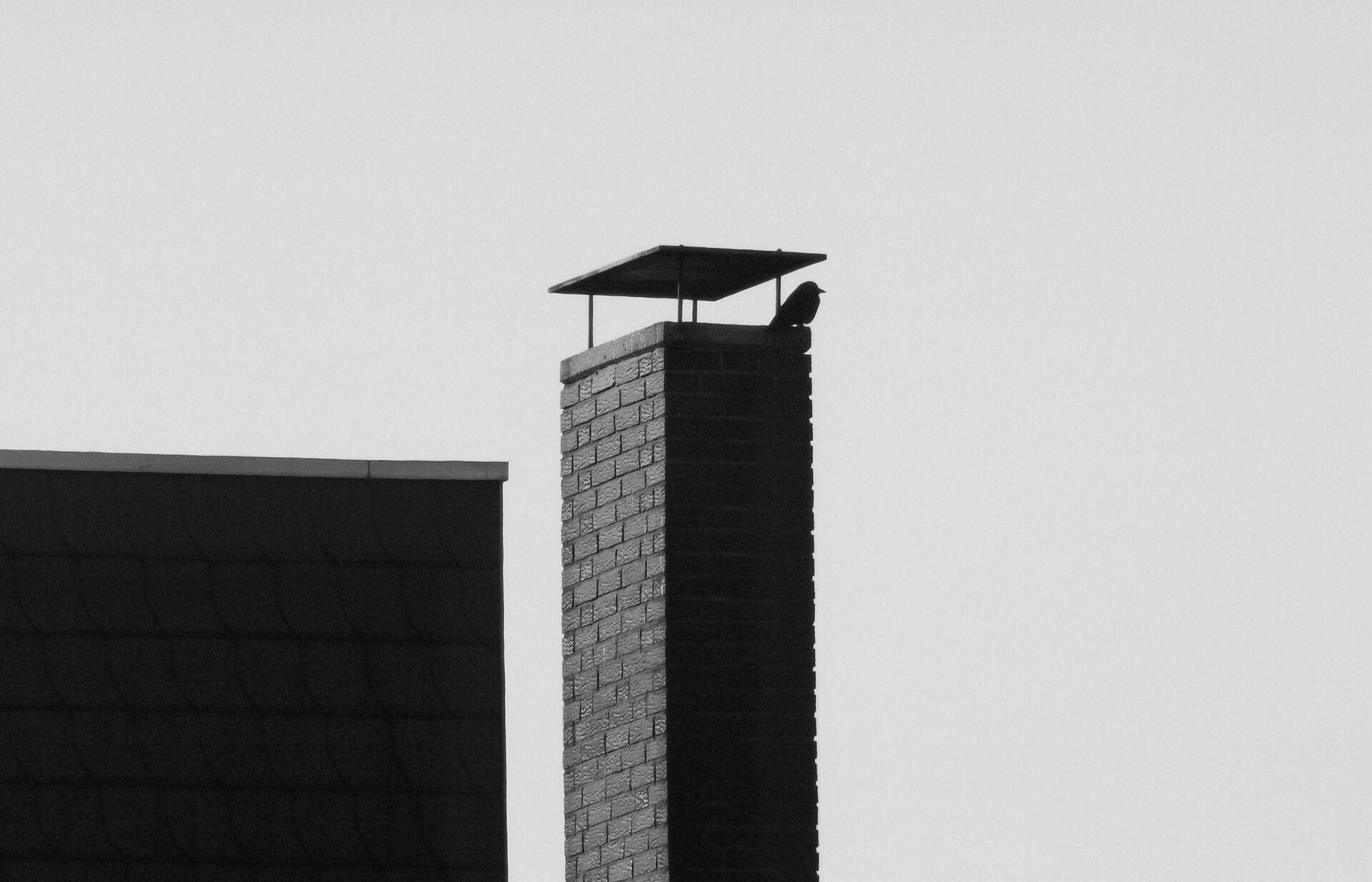

A repair list for an older brick chimney in Maywood can run to a dozen lines, and the owner who reads it often stops at the total and puts the paper in a drawer. That is the worst outcome, because a list that long is almost never a dozen urgent jobs. It is usually two or three things that matter this year and a handful that can be planned around a budget. Hemlock Chimney Company sorts every masonry estimate that way, and this post explains how the sorting works so you can judge any list, ours or someone else's.
Three bins, not one total
Each item on our chimney masonry repair estimates lands in one of three bins.
- Before the next fire. Anything that lets heat, sparks or smoke reach a place they should not.
- Before the next rainy season. Anything that lets water into the brick or the house.
- Watch and recheck. Wear that is real but slow, and costs about the same to fix next year as it does today.
The bins are not about how a chimney looks. A stack can look tired and sit in the third bin for years. Another can look fine from the yard and carry a first-bin item hidden inside the firebox.
What belongs in the first bin
Fire-side faults go first because they are the ones that can hurt someone. A split or missing section of clay flue tile lets heat reach brick and, past the brick, the wood framing of the house. Gaps between firebox bricks do the same at the bottom of the chimney. A smoke chamber with rough, open joints collects creosote in the cracks and passes heat through them. And brick near the top of the stack that shifts when pressed with a hand is a hazard to anyone walking below, whether or not the fireplace is ever lit.
None of these should be put off. If money is tight, the honest answer is to stop using the fireplace until they are done, and we will say so on the estimate.
What belongs in the second bin
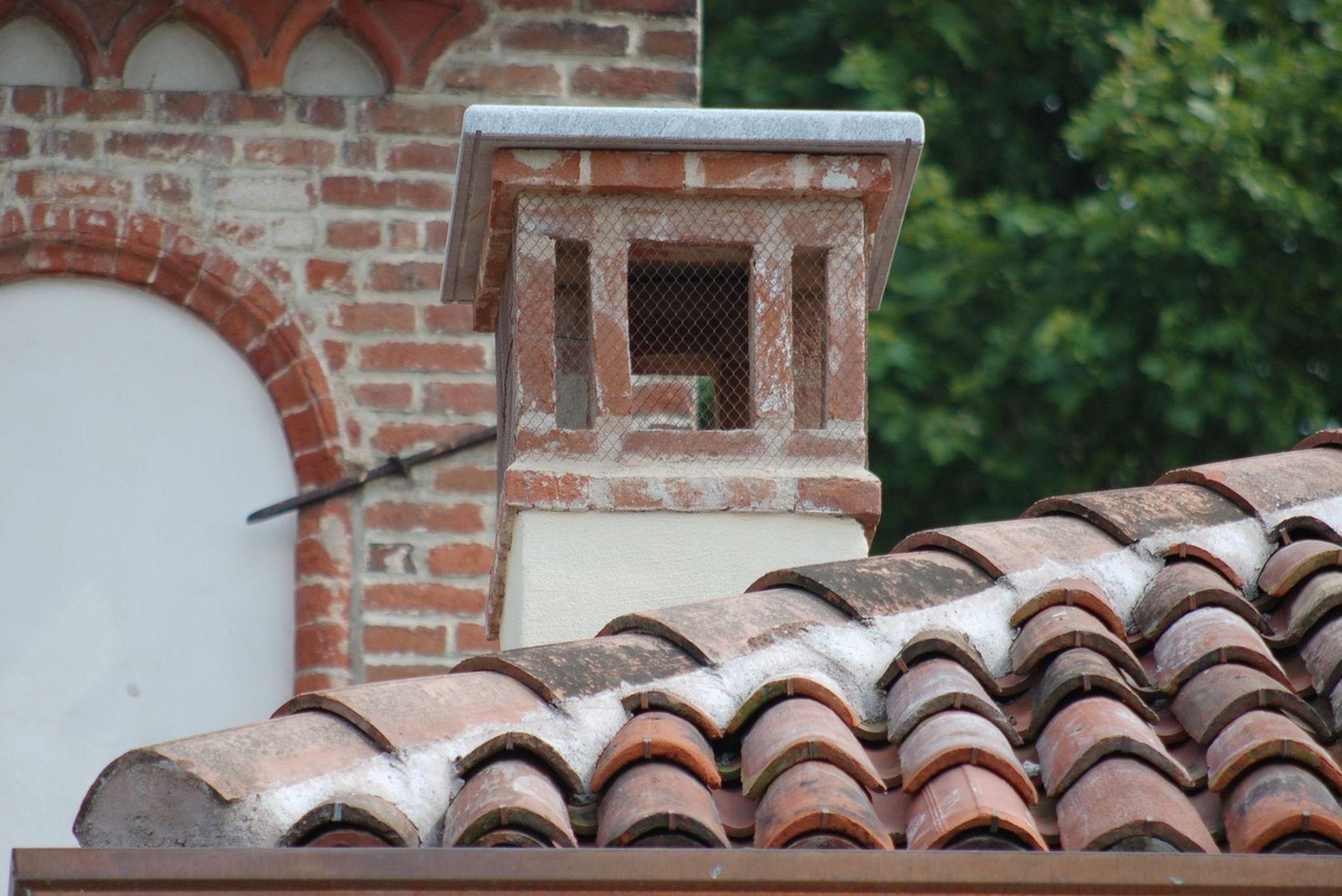
Water problems go second. They are rarely dangerous in the moment, but they compound. Rain that soaks a cracked crown runs down into the core of the stack. In Maywood the winters are wet and the summers are hot and dry, so the brick spends half the year drinking and half the year drying out. Each cycle pushes salts to the surface and loosens the face of softer brick. Joints on the weather side open up first. Gaps where the roof meets the stack let water into the attic.
These jobs can usually be scheduled for the dry months, which is also when the work is easiest. Leaving them through two or three more winters tends to turn a joint repair into a brick replacement, and a brick replacement into a partial rebuild. Our chimney crown repair and leak repair pages cover the usual fixes.
What can sit in the third bin
Some wear is real and slow:
- A few face bricks that have flaked on the surface but are still sound behind
- Hairline shrinkage cracks in mortar that has not lost its grip
- A white salt bloom on the brick that comes and goes with the seasons
- Old patch work that does not match in color but is holding
We still write these down, with a note on what change would move them up a bin. White bloom, for example, is a sign that water is moving through the brick somewhere; if it spreads, the source belongs in the second bin.
Quake risk changes the sorting
A tall brick stack with weak mortar is a different case from the same faults on a short one. Southern California shakes, and the part of a chimney above the roof has very little holding it apart from its own joints. Where the mortar has gone sandy on a tall stack, we move that work up regardless of how the brick looks, and we put the seismic retrofit options on the same estimate so you can compare repairing the top, bracing it, or taking it down to the roofline.
When splitting the work costs more
Spreading a job across seasons is not free. Each visit means ladders, roof protection, mixing mortar and cleaning up. Two small visits often cost more in total than one visit that does both items. So when a second-bin item and a third-bin item sit on the same face of the stack, we price them together and separately, and you choose. Sometimes doing the extra while the ladder is already up is the cheaper path over two years. Sometimes it is not, and you keep the money.
Getting your list sorted
If you have a chimney repair list from any company and cannot tell which lines matter, or you have not had the chimney looked at in years, request a sorted masonry estimate. Tell us which face of the chimney shows the damage and how far down it seems to go. We inspect, write every item with its bin and price, and leave you to plan the order. A visual chimney inspection is $52 if you want the look before the estimate; the camera-based Level 2 is $375 and is the one we suggest when any first-bin item might be inside the flue.
For homes in South Gate, see our South Gate service page. For how to judge a bid against ours, read comparing two chimney bids.
When you are ready to find out which bin your chimney sits in, head to our contact page and we will set up the visit.
Ready for Numbers on Your Own House?
Hemlock Chimney Company looks at the chimney, then writes up each repair option with its price and a mark for urgent, soon or watch. Requests from Maywood, South Gate, Monterey Park and the rest of the route start on the contact page.